THE DECISION, CLEARLY
Choose the exact tile for the room, surface and expected use. Absorption, slip suitability, substrate preparation and installation details matter more than the product label alone.
The difference between porcelain and ceramic matters, but it is only the beginning of choosing a floor. A glossy showroom sample does not tell you whether it is suitable for a wet bathroom, how much preparation it needs or how easy it will be to replace a damaged tile later.
For a home in Egypt, start with the room and your routine. A reception floor, kitchen, shower and outdoor terrace have different demands. The best tile is a documented product that suits those demands and can be installed correctly within your budget.
What is the actual difference?
Porcelain is a type of ceramic tile. The technical distinction commonly used for porcelain is water absorption of 0.5% or less under the relevant test. In everyday retail language, “ceramic” often means non-porcelain ceramic tiles.
Low absorption does not automatically make a tile slip resistant, scratch proof or suitable outdoors. Those questions require the product’s own specifications. Similarly, colour on the back or country of origin is not a reliable substitute for technical data.
Compare the things you will live with
| Decision | What to compare |
|---|---|
| Room suitability | Manufacturer approval for floor, wall, wet area or exterior |
| Surface feel | Finish, cleaning requirements and wet-use slip information |
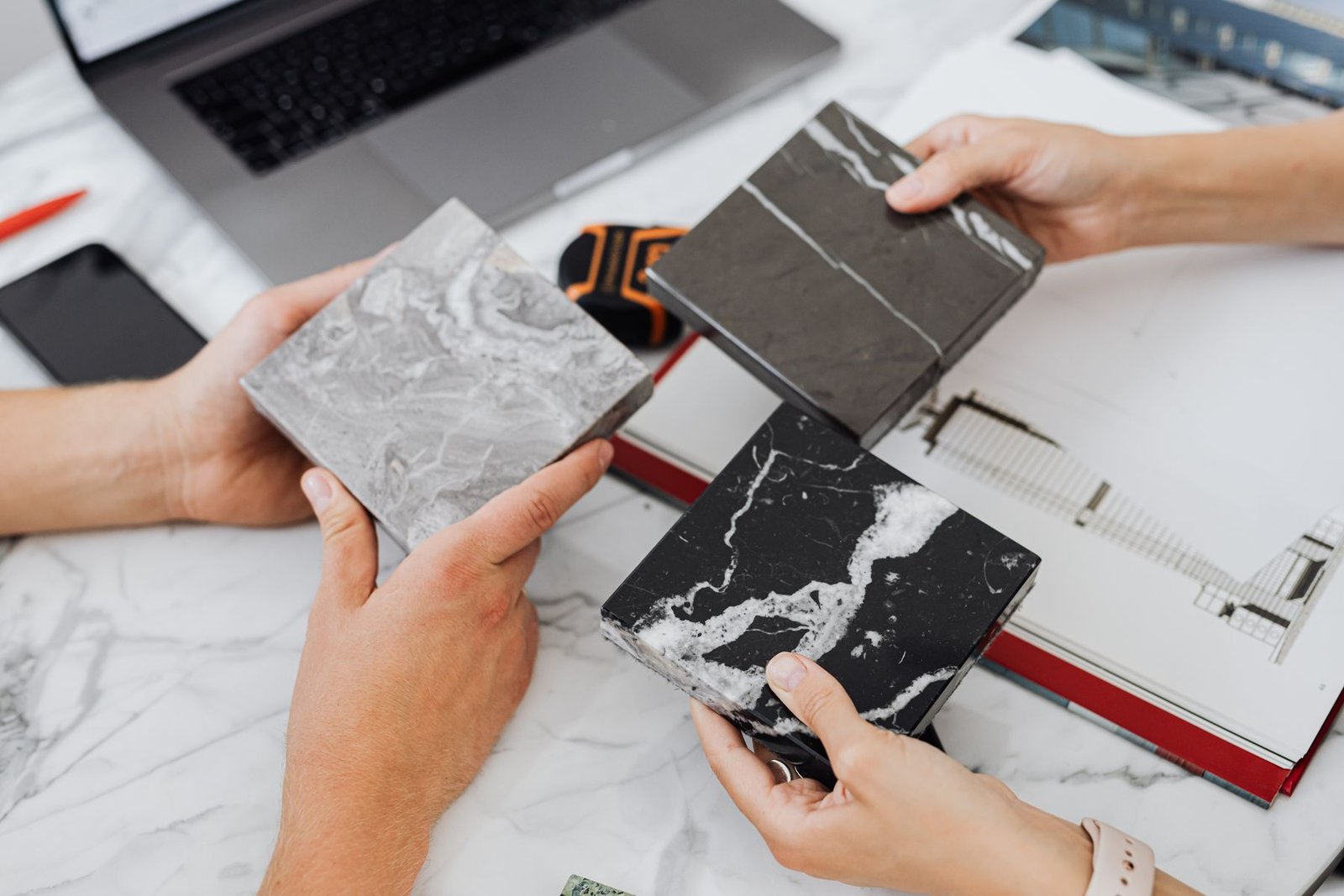
| Appearance | Variation across several tiles, not one sample |
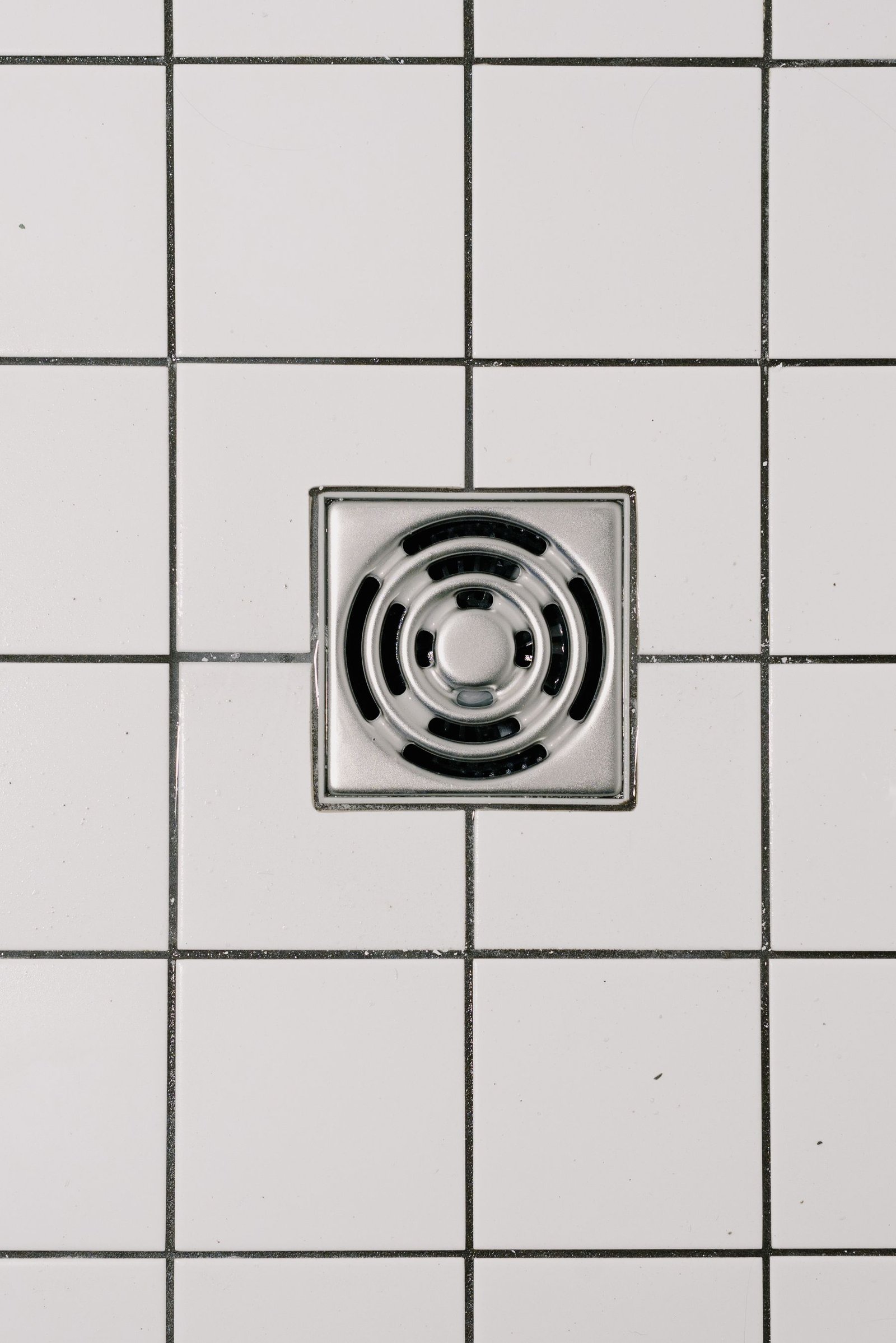
| Size and layout | Cuts, thresholds, drains and alignment with the room |
| Installation | Substrate preparation, adhesive, joints and installer experience |
| Future repairs | Batch consistency, stock availability and spare tiles |
A tile approved for a wall should not be assumed suitable for a floor. For wet areas, ask the supplier to explain the slip test and the intended conditions; a single rating cannot describe every combination of water, soap, footwear and maintenance.
Large tiles need a complete installation plan
Large-format porcelain can create a calm, continuous appearance. It also makes the condition of the supporting surface, handling, cutting and junction details especially important. Ask the installer how those items will be checked before ordering.
Dry-lay or draw the layout to understand narrow edge cuts and awkward junctions. Coordinate finished levels with doors and adjacent rooms. Rectified edges do not mean tiles should be installed with no joints. Joint width, movement provision and installation materials must follow the selected system and site conditions.
Work out the installed price
Compare tile supply together with delivery, cutting, preparation, adhesive, grout, skirting and labour. A cheaper box may not produce the cheaper completed floor. Calculate waste from the actual pattern and room geometry rather than choosing a percentage without a layout.
Before delivery, confirm the exact product code, shade and calibre information where provided. Keep labels, invoices and a reasonable quantity of matching spares agreed with the installer. Review several boxes before installation to understand the intended visual variation.
Avoid these common shortcuts
- Choosing a bathroom floor by shine alone.
- Treating porcelain tiles as a replacement for waterproofing.
- Accepting an adhesive without checking its suitability for the product and substrate.
- Comparing only the tile price while excluding preparation and accessories.
- Ordering an entire floor from a single small sample.
Common questions
Is porcelain always better than ceramic?
No. A suitable ceramic product can be a sensible choice for many interior applications. Compare room suitability, appearance, maintenance and installed cost rather than assuming one material wins everywhere.
Are matt tiles automatically safe in a bathroom?
No. A matt appearance is not a test result. Request the manufacturer’s wet-area suitability and slip information for the exact product.
Can I use the same tile throughout the apartment?
Possibly, but confirm suitability room by room. The shower floor may need a different finish, format or layout to accommodate drainage and use conditions.
YOUR NEXT STEP
Choose a floor that belongs in your home.
Share the rooms you are finishing and the look you prefer. Let’s discuss flooring alongside lighting, skirting and adjoining materials so the decisions work together.
Useful to include: room dimensions, sample photos and whether the area gets wet or opens outdoors.